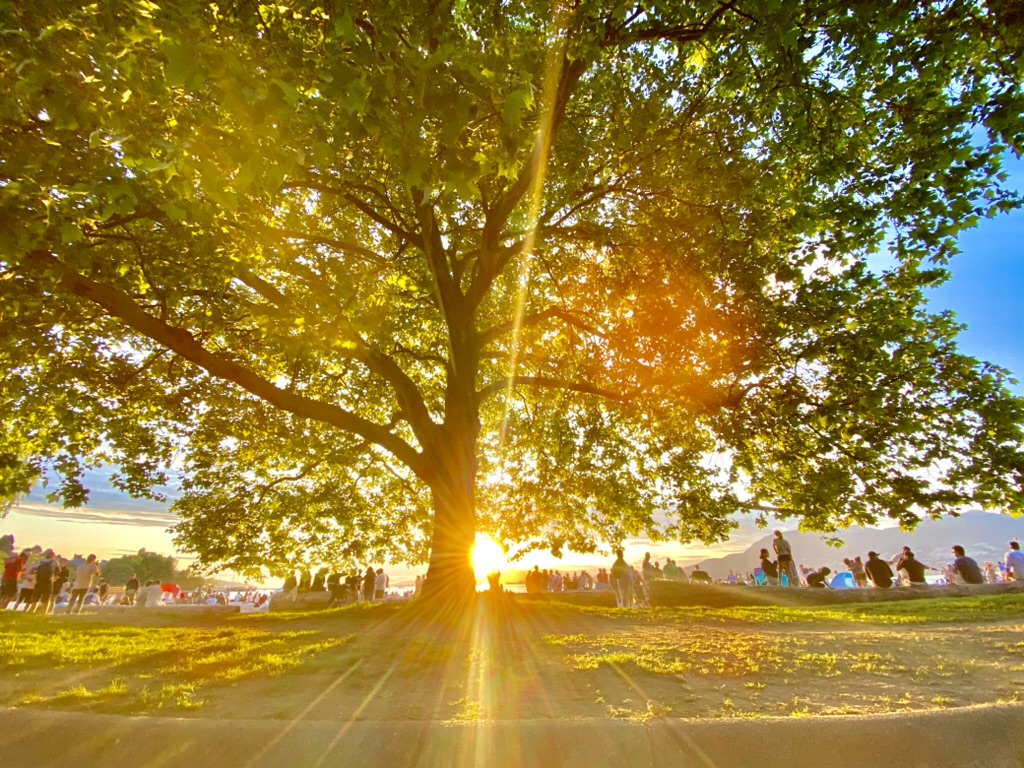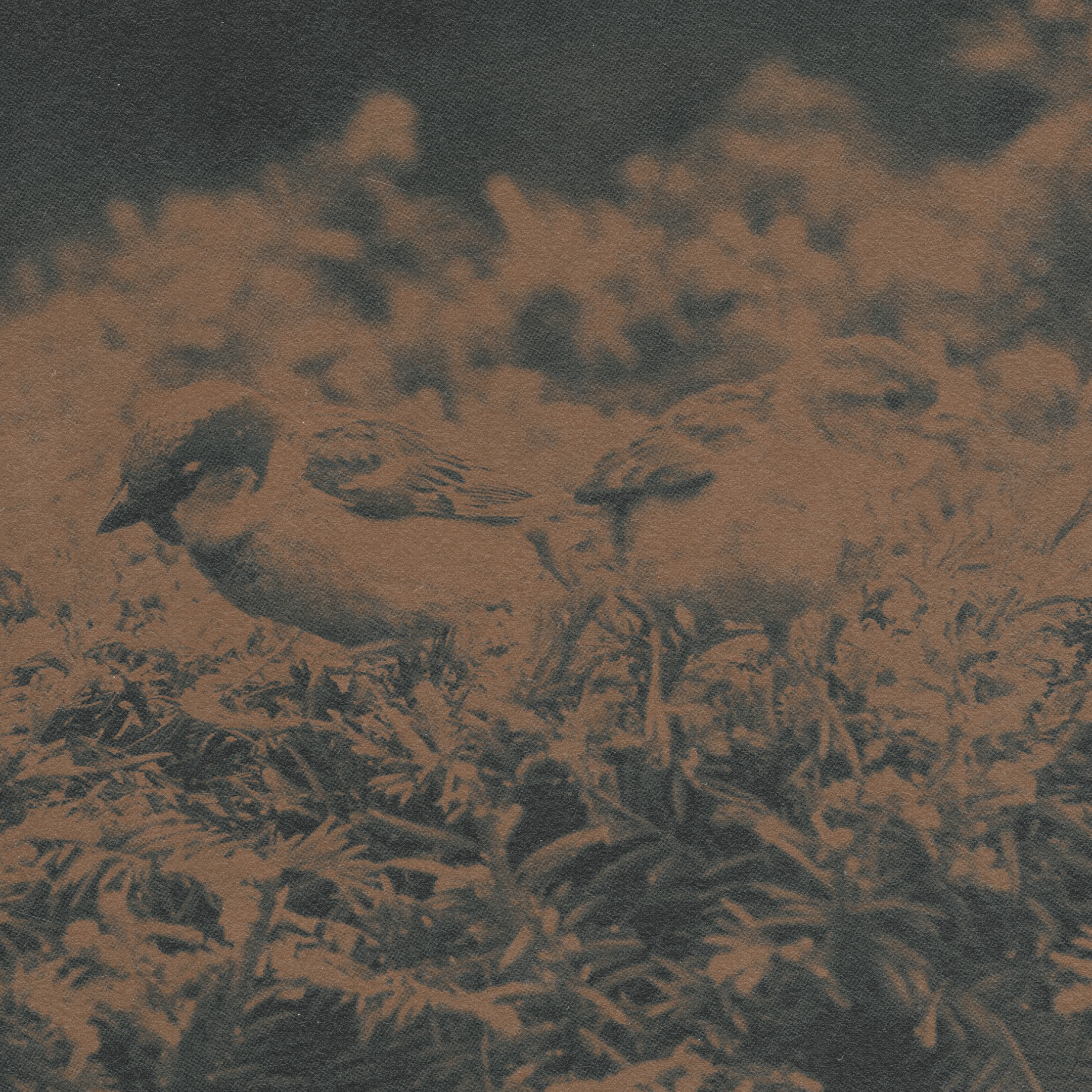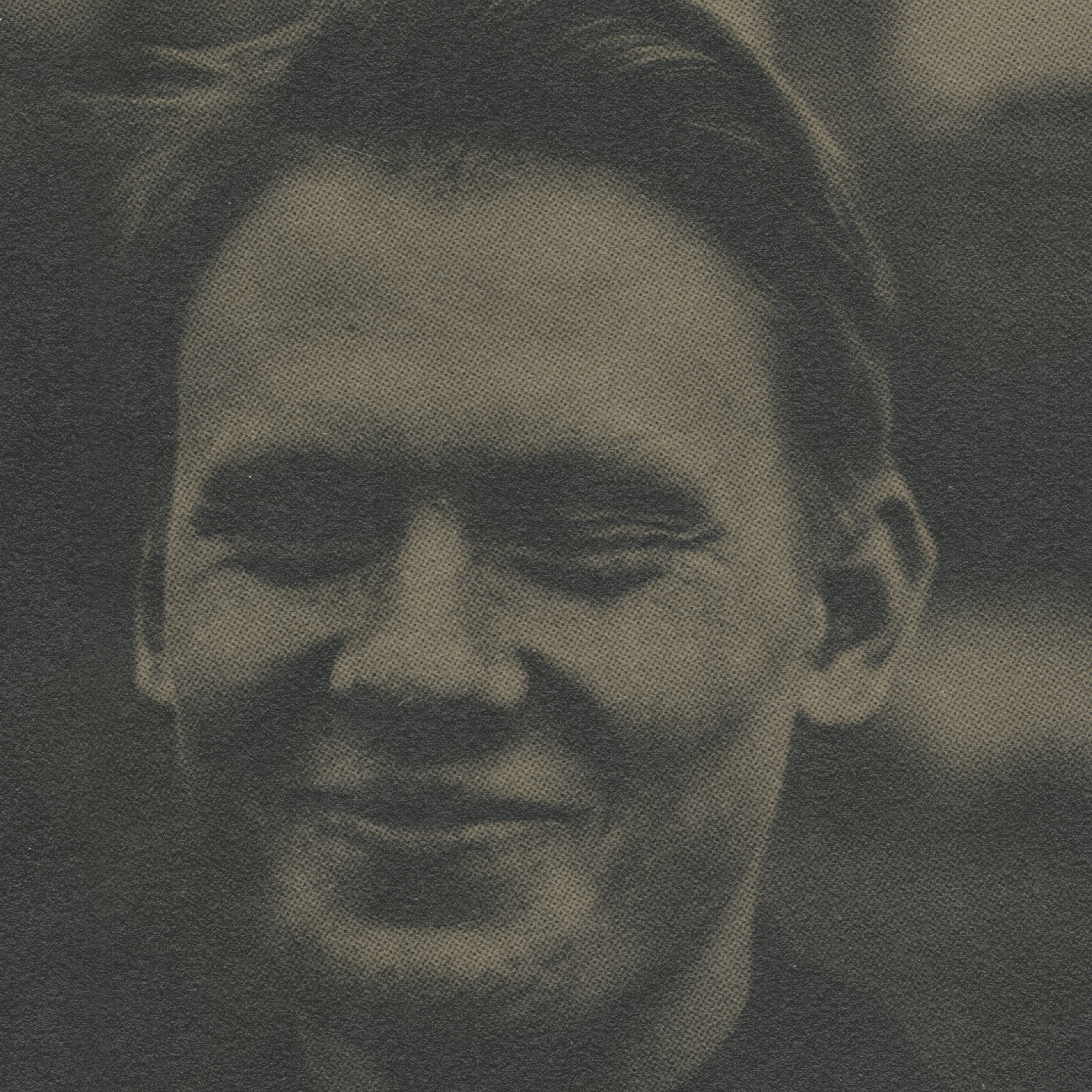
The photographs in this article are captured by Pete, and are an insight into how he observes his surroundings.
Our initial experiences with it are often frustrating--are not enthralling to say the least--and most often fail to convene with the interests inherent in the compulsions that tend to possess people living largely undiscerned lives. For many, therefore, attempts at solitude involve uncomfortable experiences of persistent failure.
Such is life…
So, also, is what it takes to establish a new habit! So, let us gather what we might from the call that still comes to us to grow and to change.
The Invitations Inherent in Seasonal Change:
As we venture further into this month of October, we witness nature in dynamic and reliable change. As the trees dance and sway to the beautiful tunes they hear in the winds of fall that move them, they release both colour and foliage in a grand shedding of all that they have bred and born through the summer.
Death and rebirth.
And as the salmon clamour eastward, out from the Great Big Blue, to embark on their stunning and treacherous effort toward legacy, they will die and be offered up as life, both for their young and for the creatures that populate the watersheds to which they return. In these sweeping movements, we are ‘re-membered’ by life’s rhythms and the utter predictability we witness in the essence of the natural order. We are reminded that we live our days in the context of an immense and glorious creation from which many of us have become so detached as to not be able to engage—or be engaged by—in generative peace. We are exposed by our lack of familiarity with the larger picture of which we are so meaningful a part. In it all, we are invited to ask how attuned we are to the needs of our own hearts—to what in us must be shed prior to taking on more as a long winter nears.

What are we carrying that we’re not meant to? What are we holding that we’re meant to put down? Is it a connection to an old wound? An undue appetite? An unchallenged or undiscerned dedication to mere stimulation? A callousing grudge? A shame producing critique? How are we to know what all is ‘in’ us in the first place?
What are we meant to pick up in place of what we shed as room is established within us? Is it a new, life-giving risk? Is it permission to engage leisure? Is it committed time with one’s spouse? A practical purchase like a gym membership?...
How are we meant to discern any of this with a reliable sense of purpose and consolation? How are we to find a means of choosing wisely and not merely sincerely? I’m sure our families would love a commitment from us to the former. More than merely being committed to this quest, I’m convinced we’re meant to be discovered there, too.
In this season, for these reasons, I want to invite that we learn further how to pause, to enter repose, as we hold in mind and heart our own needs and longings inside of the interests of those we love, whether spouses, children, colleagues, or neighbours. These, in the heart of Christ, are the intended recipients of the fruit of our apprenticeship in his Master Class. Perhaps this can be the year that solitude becomes for us a settled habit, another capacity grown in us for the sake of our own wellbeing as well as for those whom we love. Perhaps this will be the year that our families inherit a different man—not completely transformed, just remarkably transformed, meaningfully transformed. A man less hurried and harried by the abundance and pace of his responsibilities and associated emotions. A man less governed by his trauma and more governed by his commitment to and familiarity with, with love. We know the beauty of such growth when we witness it in others, the new postures and countenance that accompany the growth connected with such death and rebirth. The dying off of old ways and the fecundity that ensues when such ways (whether they merely 'fall' from us in our aging, or are pruned from us through more decisive action) lie at the heart of all that is praiseworthy in human spaces. Perhaps this year, we can slow enough to receive the signs and whispers from creation that invite us into harmony with a view of life that extends beyond the myopic range of our individual interests, or our own derogatory self-reflections in the territories of ‘self-improvement’ or at-work-performance. Perhaps this year, we can learn a little more about settled interiority amid the tidal shifts of nature, community, family and faith… perhaps solitude can become an established medium for experiencing these dynamics of growth. Perhaps, the palate of colour we were meant as men to reflect into this broken and beautiful world can be received by others as a little more wonderful, a little more harmonious.

On Our Ailing Bodies and the Effects of Dissociation:
In his book, The Body Keeps the Score, Dr. Bessel Van Der Kolk observes the varied effects of dissociation (the state of bio-psycho-social-spiritual dis-integration enacted within us during moments where we are overwhelmed) upon the people it plagues. Each of us gets overwhelmed. Each person who reads this, often by virtue of the beautiful interests they hold for the people they (you) love, knows what it means to be overextended, spread too thin, and directed within by an undiscerned range of motivations and compulsions. In short, all of us experience dissociation on a spectrum, from the common and universal to the acute and psychopathological. Van Der Kolk invites us to see the central role that our physical bodies play in our psychological and spiritual experiences of wellbeing. He writes,
“Being frightened means that you live in a body that is always on guard. Angry people live in angry bodies. The bodies of child-abuse victims are tense and defensive until they find a way to relax and feel safe. In order to change, people need to become aware of their sensations and the way that their bodies interact with the world around them. Physical self-awareness is the first step in releasing the tyranny of the past.”
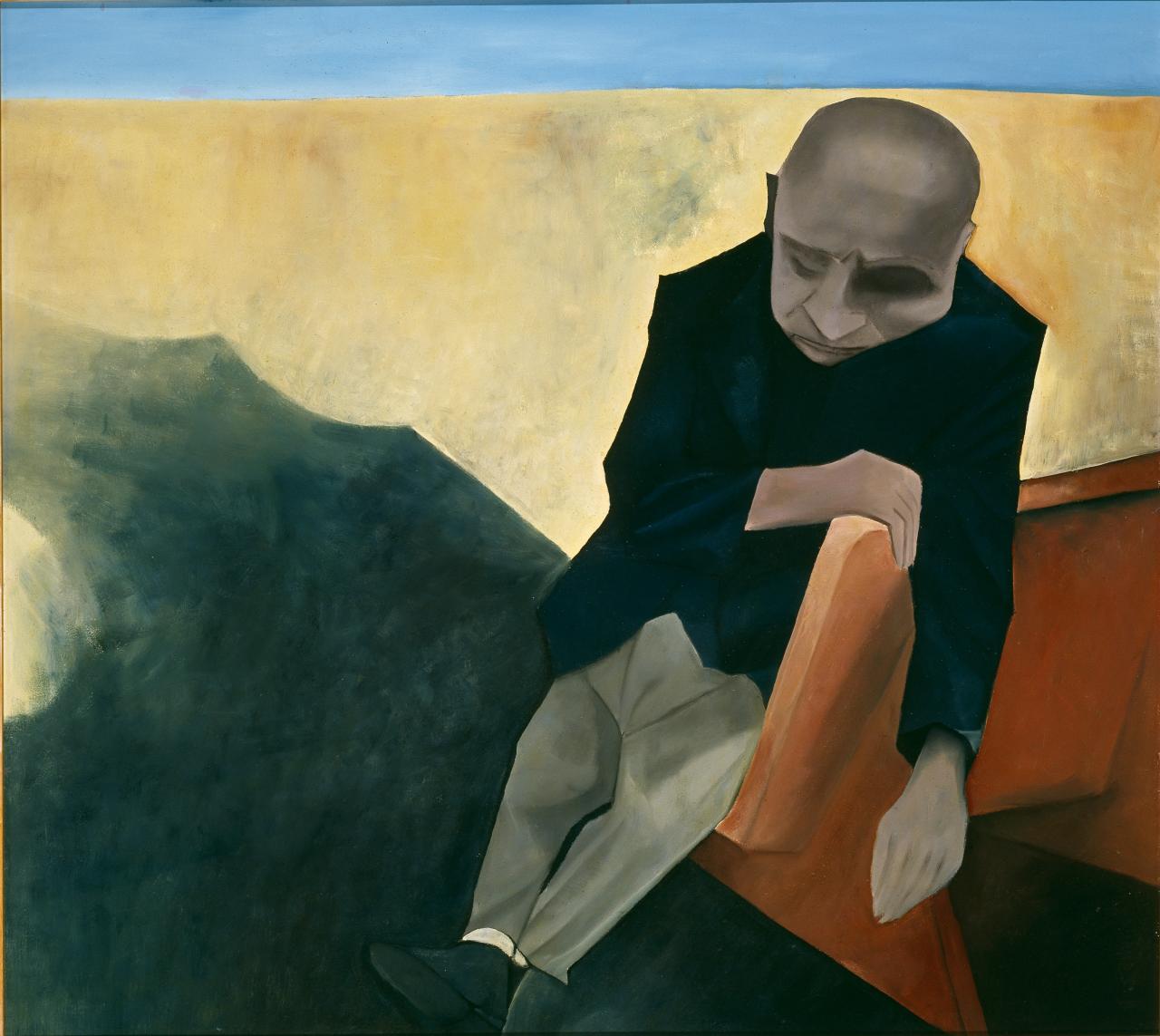
It has been my experience, both personally, and, over the course of a couple of decades of observation in clinical work, that men are uniquely bereft in this territory of awareness; of connection with our bodies as indispensable vehicles for our psychological and spiritual emergence. That is, while it is no secret that men are prone to self-destruction via self-neglect, it is especially the case that the vehicle that takes us there is equal parts physical and psychological dissociation. We are socialized into it. And, in particular, whether we are explicitly taught, or are merely goaded along the way, we are each likely to be familiarly trained into dynamics of dangerous physical self-neglect. The facility we have for ignoring this aspect of ourselves seems to know no bounds.
Despite this we are routinely confronted by the grace of God in the form of the aspirations of our neighbour; the one who shares the same limitations, the same human fears and foibles, but who nonetheless persists in breaking through into liberation from old ways of being. Pray with me for the eyes and ears with which to be sensitive to these movements of grace in our midst. Join me in watching for where grace and the Kingdom are at hand. Whether, the neighbour who has added solitude to their repertoire, or the neighbour who has reclaimed a portion of their wellbeing in their renewed commitment to physical exercise, community and the movements of the Spirit will beckon us into more life if we will but open to these. If we'll choose to let them become in us what they ought to.
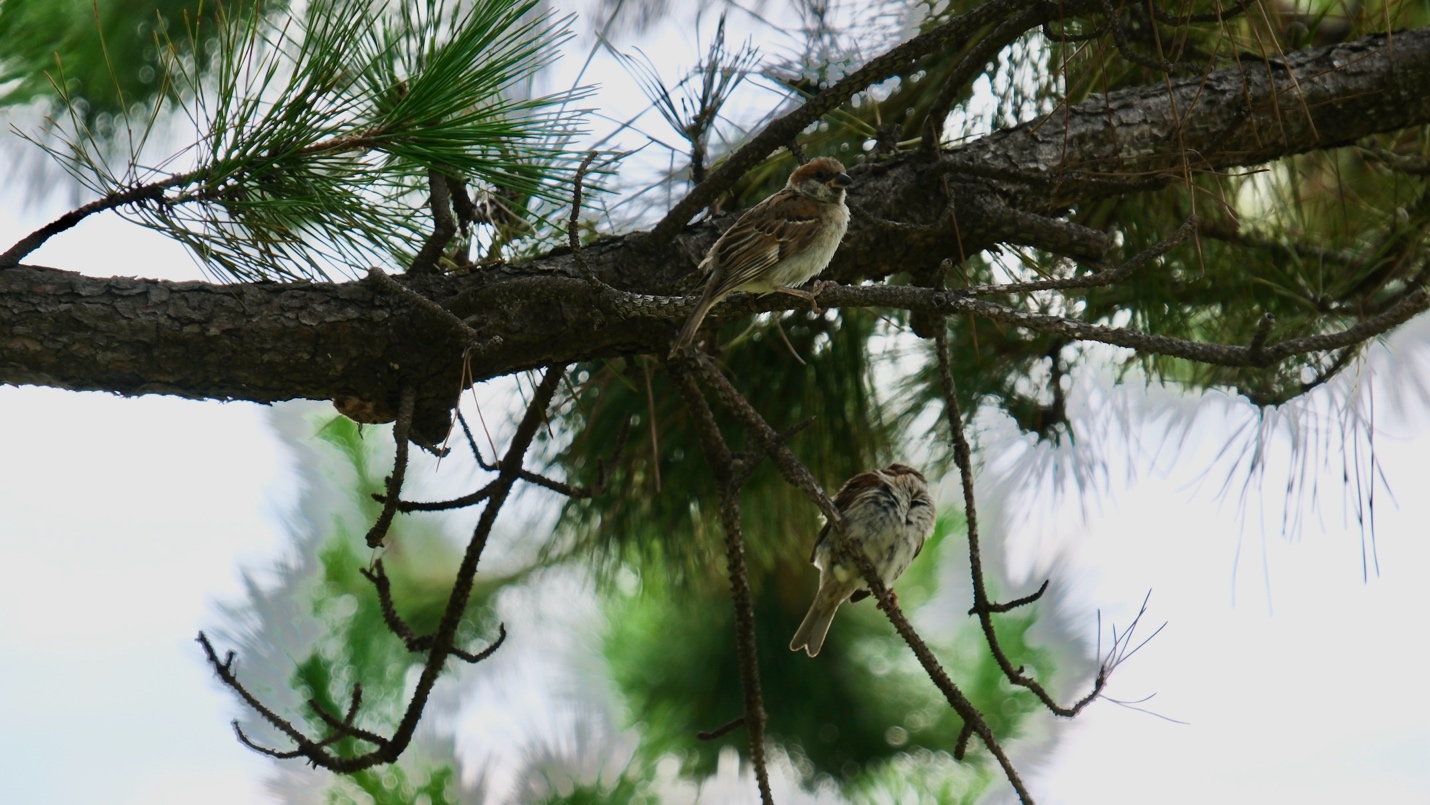
Bright glimmers of new life, these. I know there are many more waiting to emerge in our midst. The practice of solitude is meant to grant us both connection and insight in a manner that is akin to mystical inspiration when it is experienced. Those who have ventured there in trust know what this is like once it has occurred. Pure gift and pure grace. The unearned stuff of seeds and sparrows.
We would, therefore, be remiss were we not to observe and honour the most elemental of our pathways into peace in Christ, the ground for our entry into healing solitude: the physical self: our very own sacred bodies. We men seem still to confound the medical establishment with our propensity for neglect, which was summarized in a recent study in the following way:
“Men are still underrepresented in primary care; it is difficult to understand why, and this is an ongoing issue.” (p.6)
Whether the male underrepresentation spoken to above is honoured or sufficiently attended to by the expression, “difficult to understand,” I’ll leave to your own interpretation. For now, I would invite that we maintain our focus on what, exactly, might be done about it.
Women are incentivized into the domains of physical self-care by the demands inherent in their embodiment; those conferred to them by the cycle of menstruation and the imminent prospect of maternity. So involved are these phenomena that women simply cannot realistically navigate these dynamics in isolation and very seldomly choose to do so. Instead, women are trained, harangued, and compelled into attention to their physical selves by an array of factors that we men never face by virtue of our own embodiment. Here, I would suggest, is where our bodies and solitude can enter the picture together…
Solitude as Means to Re-connection With Our Bodies:
The practicalities inherent in the works of the Biblical writers—those of Paul, for instance—that relate to the stewarding and ‘healing’ of our bodies (whether, against backdrops of health or of habit) are seldom presented as having any actual relevance to daily life. This is more of the dualism of our time in the form of the separation and isolation of mental dynamics from bodily awareness. Increasingly more of the self is relegated into digital domains and modes of connection in our era.
Perhaps one costly result of these movements, whatever benefit they may carry besides, is that our daily experience is increasingly less embodied and, therefore, increasingly less human. The less we engage the established creation around us—the natural order—the less we engage our bodies with the sort of intentionality or dexterity that keeps us ‘at home’ within our physical frame. It is not simply the case that some men like nature and others do not, but, rather, that some men are engaged with nature and others are not. Both of these carries immense consequence. The former of these two connects us to a host of demands that can and will ground us. As we set ourselves in intentional relation to nature, especially as such efforts are paired with solitude and silence, we are integrated into a dynamic of care that God established for our good: motion, animal life in harmonious rhythm, the real properties of trees and grass and blackberry thorns, birdsong, bears and bumblebees, creation bearing fruit and bearing young. Each of these engages us with a demand to be drawn out of our minds and into our bodies. Each of these establishes in us refreshed sight and hearing of the world around us, a world not yet mediated by digital or technological ‘advancement’ or encroachment. Solitude in such spaces carries additional benefit as it relates to embodiment; and this, especially, for men.
A Message From Mr. McLuhan:
“Every extension of mankind, especially technological extensions, has the effect of amputating or modifying some other extension[…] The extension of a technology like the automobile ‘amputates’ the need for a highly developed walking culture, which in turn causes cities and countries to develop in different ways,” claimed, Marshal Mcluhan.
What if it were possible that man could eventually be severed from his experience of his own body? We seem nearer such a prospect with each passing minute. Each instance of capture away from the natural state of things, each spellbound moment where we allow the seizure of our senses by the wizardry box we carry in our pocket--every minute of attention added there—is one more taken away from our physical connection to our bodies in unmediated environs. More and more it would seem, we must choose to place ourselves in modes and contexts that amount to retreats from The Digital Transhuman Interphase in order to be re-"membered in both our humanity and our personhood. As we quest together after improved relationships with our dear loved ones, whether spouses, children, siblings or friends, we each must contend with the burdens placed upon our nature in these daily aspects of our lives. When we add this modern dimension to what was already a precarious relationship between men and their bodies, the need in us for a means to connection and integration screams even louder.
The Psychology and Anthropology of St. Paul:
Of the glowing relevance of writers like St. Paul to the most essential features of our daily lives in their natural state—the shared life that gives us distinction among everything else in the created order—Dallas Willard remarks,
"Paul’s fundamental psycho-theological insight has to do with the nature of the human body as a bearer of active tendencies to evil and to good. In other words, it had a lot to do with spirituality and habit.” (p.113)
C.S. Lewis stays our sight on a sad aspect of the truth of this statement through his character, the demon Uncle Screwtape in his masterpiece, The Screwtape Letters. When his nephew, Wormwood, failed in his quest to prevent his assigned "patient" from becoming a Christian, a furious rebuke was certain to follow. After chastising Wormwood for his failure, Screwtape offered this consolation to his nephew: “There is no need to despair; hundreds of these adult converts have been reclaimed after a brief sojourn in the enemy’s camp and are now with us. All the habits of the patient, both mental and bodily, are still in our favour.” (Italics added). In this, notes Dallas Willard, “Uncle Screwtape has deep insight into the psychology of redemption. If a convert’s habits remain the same they will realize little of the life in Christ.” (ibid).
Solitude as the Bedrock for Our Cultivated Habits of Healing and Growth:
Willard is right, isn’t he? What is “life in Christ,” if not an increased settling of the inner person in an integrated host of generative, loving habits of mind and body that bring more life to life, whatever the circumstance? Our homes, our places of work, our communities of faith and of learning, each of these stands directly to benefit from our commitment to re-establishing ourselves at home within the physical frame given us by our Maker. The integration of the mental aspects of these journeys translates—in every instance—physically, with our bodies, into the material dynamics of our communal and natural environments. In this, it becomes our very life together. If our ideas, hopes and intentions do not transpire into these domains—where we live and move and have our being; our offices, the children’s ice rink… our ice rink! our congregation, or our private moments—then we--the person we are meant to become--remain hidden behind the negative experiences they have of our negative habits. This, until progressively more aspects of our lives become yielded to love. There is no ignoring these dynamics—those of the habits settled in our members—as essential aspects of every meaningful human experience that we can conceive of. We are, for the most part, properly experienced as the sum of our habits in the relational spaces we occupy.
The Gift of a Bigger Picture:
This is, correspondingly, a ‘big picture’ that is so much larger than one’s own little picture. In such spaces—those of solitude and of embodiment and of nature—we are simply outdone until we learn to yield our wills to the way that it has all been designed. In such spaces, we learn that we are the same. We’re taken out of our petty separateness into a broader commons, where we discover that we are not alone. This is the paradox of solitude: that we must be alone in order to discover that we belong; that we have an equal share of the human journey, that we are like everyone else in ways that are both true and essential. There we are properly humbled, properly poised for growth. This is what our solidarity consists in: our need, our failure, our steady, however meagre development in the direction of love.
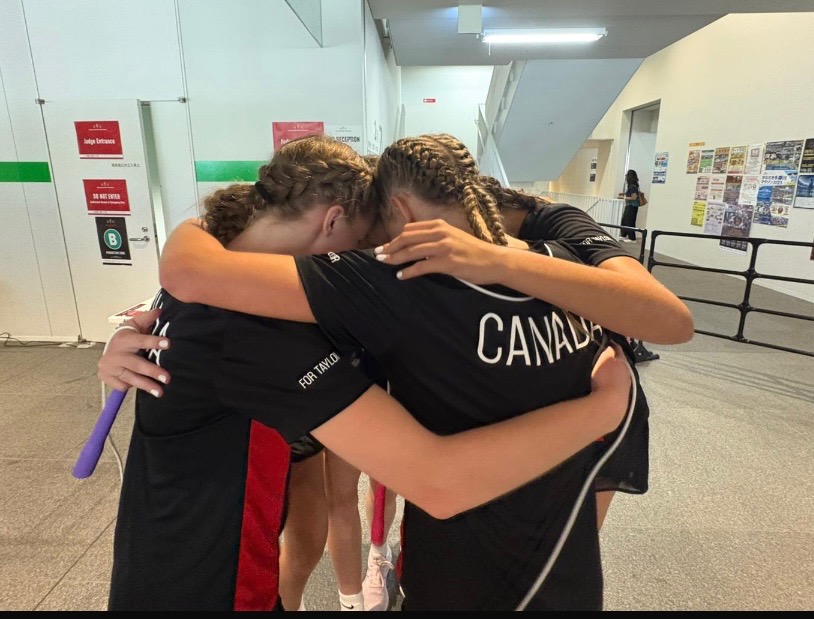
The above picture was taken of my daughter and her teammates just prior to their winning a silver medal at the International Jump Rope Championships in Kawasaki, Japan. When I asked Sophia what the girls were doing in their huddle, she said, “We were praying for each other and our competitors—that the things we had practiced, we would have full access to. That we would find the way to do our best with this.” And so, they did. I think we have an opportunity to join these young sages in their exemplary way of inhabiting community, my friend. And I think solitude will be an anchor for us in our interests in finding more efficient and sustainable means to growth and transformation in God.
Application:
Would you all join me in finding a minimum of 30-minutes, 4 or more times per week…
whether in total silence, indoors or out,
whether in observation of creation or meditation upon a beautiful truth and/or scripture,
whether to behold and muse upon a beautiful work of art, or to take a song, with intention, into the sanctuary of your soul,
whether to listen in silence to the movements of your heart—to what hurts or what hopes…
To write some of it down after chewing on it some, and bring it all to a friend, in solidarity with what they bring themselves, so it can be carried and tempered by the love of fellowship and a shared and increasing reception of the goodness God in our midst.
Amen.